
Joy Vang’s Pre-Med Patient Care Experience at ACR Homes
Written by: Brianna Palkki, Sr. Recruiting Supervisor & Marketing Manager for ACR Homes
Get to Know Our Staff: How Joy Vang Is Preparing for Medical School at ACR
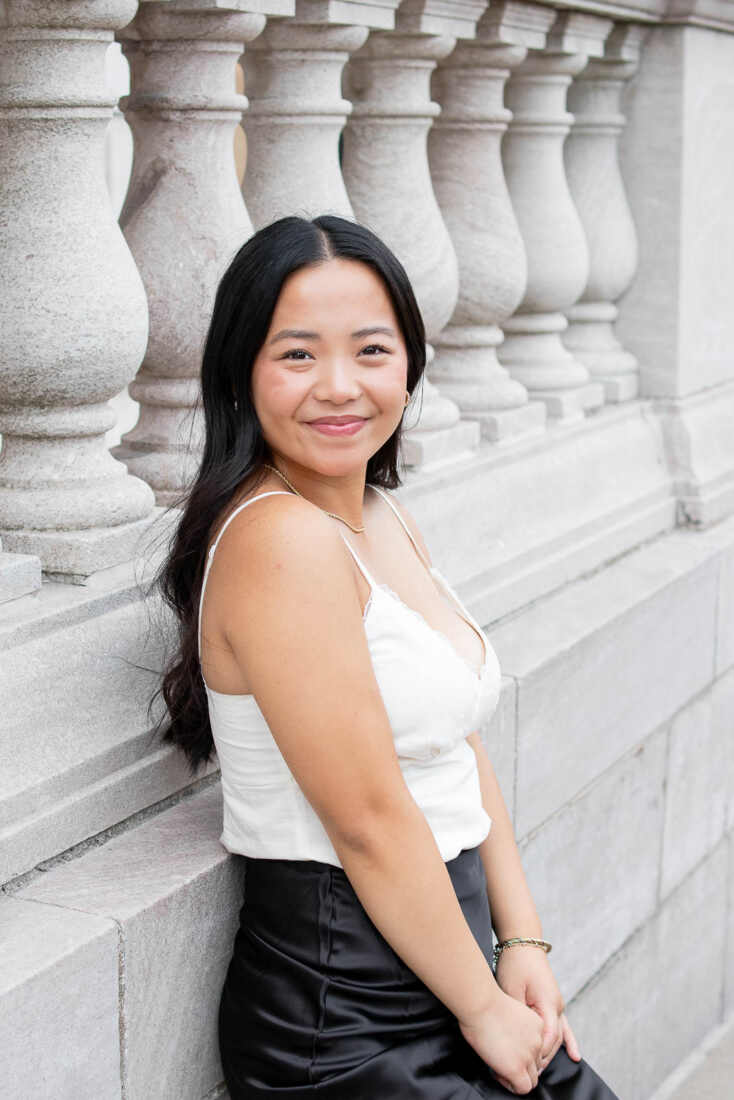
For University of Minnesota student Joy Vang, working as a Direct Care Professional (DCP) at ACR Homes is more than a way to gain patient care experience before medical school. It’s an opportunity to build meaningful relationships, learn to communicate in new ways, and discover what personalized care looks like in a long term care setting.
Meet Joy Vang
Joy Vang is currently a junior at the University of Minnesota majoring in Human Physiology on the pre-med track. Since joining ACR Homes in February of 2026, she’s been building hands-on patient care experience while balancing the demands of being a college student and exploring her future in medicine.
She currently works at one of ACR’s group homes, where she supports residents with disabilities. She's interested in OBGYN, pediatrics, and geriatrics as potential specialties.
Her interest in healthcare has been part of her life for years. With a mom who works as a pediatric nurse, Joy grew up with a glimpse into the medical field. But it’s her personal experiences with great healthcare providers that inspired her to pursue medicine.
As she prepares for a future career as a physician, she’s discovering that some of the most valuable lessons in patient care happen outside of a traditional clinical setting.
Why Joy Chose ACR Over a Traditional CNA Job
When Joy began looking for a healthcare job, she knew she wanted hands-on patient care experience to complement her pre-med studies. She had already earned her CNA certification and spent about six months searching for a position that would fit her schedule as a full-time college student.
She heard about ACR through friends who worked there. As she compared their experiences with those of friends working as CNAs in hospital settings, one difference stood out: the opportunity to build consistent relationships with the same residents in a flexible environment.
Many of her friends described demanding hospital schedules, overnight shifts after full days of classes, and caring for numerous patients during a single shift. At ACR, Joy saw an opportunity to approach patient care differently.
“I liked the idea of being able to work at one house and get to know the same four residents every day,” she shared.
That consistency appealed to her not only as a college student looking for a flexible job, but also as a future physician.
In medicine, continuity of care means getting to know patients over time, understanding their individual needs, and building relationships that help inform their care. Joy recognized that she could begin developing that mindset at ACR Homes.
She also appreciated the flexibility of working at a group home, where scheduling could accommodate the changing demands of her academic calendar rather than a one-size-fits-all model.
And there was an unexpected bonus: after joining ACR, she learned that her DCP experience could also count toward the hours required to maintain her CNA certification. Although a CNA isn't required at ACR, gaining hours was a perk.
For Joy, ACR offered a combination she had been struggling to find elsewhere: meaningful patient care experience, consistency, and a schedule that worked with college.
Learning More Than She Expected
Starting a new healthcare job can feel intimidating, especially when you're balancing classes and personal life.
Joy remembers feeling overwhelmed when she first learned about the training process. Between classes, online modules, and shadow shifts, it was a lot to take in at once.
But as she moved through training, her perspective changed.
Her Residential Supervisor (RS) played an important role in helping her feel comfortable at the house, guiding her through shadow shifts and helping her understand the residents and their individual needs. She also remembers the energy of ACR’s in-person training instructors, who made classes engaging.
Over time, the training that initially felt daunting and stressful became one of the things she appreciated most about the job because it allowed her confidence in the care she provides.
“I was shocked by what we can actually do at ACR,” Joy explained.
Even with her CNA training, she discovered that there were hands-on skills she hadn't expected to use in a DCP role, including taking vital signs and supporting residents with G-tube care.
That experience helped her recognize the depth of the work DCPs do and reinforced her decision to work at ACR rather than pursue a traditional CNA position.
For pre-med students, it’s a reminder that healthcare experience doesn't always look the way you expect. A role outside of a hospital can offer opportunities to develop practical skills, learn about individual care needs, and better understand the responsibilities involved in supporting someone's health and well-being.
The Value of Personalized Care
One of the things Joy appreciates most about working at ACR is having the time to focus on each resident as an individual.
With a maximum of four residents living in each home, and typically two residents to support at a time, she can give them more individualized attention and learn what matters to them, from their daily routines to the activities they enjoy.
“I love that I get to practice doing personalized cares for the residents,” she said. “I learn intentionality.”
That intentionality has become especially meaningful during weekend shifts when all of the residents are home from day program and are looking to fill their free time. With more time to spend together, Joy and the residents have enjoyed activities like spa days, painting nails, face masks, and going on walks.
These moments might seem small, but they have helped Joy understand that care isn't limited to completing a checklist of responsibilities. It also means paying attention to the person in front of you and creating opportunities for them to enjoy their day in ways that are meaningful to them.For someone preparing to become a physician, that perspective matters.
Medical knowledge and technical skills are essential, but good healthcare also requires understanding patients as people. Learning what makes someone comfortable, what they enjoy, and how they prefer to communicate can shape the way a provider approaches their care.
At ACR, Joy is learning to make that personal attention part of her everyday practice.
Learning to Communicate Without Words
One of Joy's most meaningful areas of growth has been communication.
At the beginning of her time at ACR, she remembers how quiet the house felt. The residents she supports are nonverbal, and she initially felt unsure about how to communicate with them.
She wondered whether she should keep talking, what she should say, and whether the residents even wanted to hear her.
With time and experience, that uncertainty began to fade.
What once felt unfamiliar has become a natural part of her daily routine. Joy has learned to communicate with residents in ways that work for them, paying attention to their individual ways of expressing themselves rather than relying solely on spoken words.
“I’ve grown to comfortably say what I want to say, and it’s a normal communication now,” she explained. “They communicate back in their own ways.”
The experience has challenged her to think beyond words and recognize the many ways people express themselves.
As a future physician, Joy knows communication will be central to her work. Patients may be anxious, overwhelmed, unable to articulate exactly what they need, or simply have a different way of expressing themselves. Learning to slow down, pay attention, and adapt her communication style is helping her build skills she hopes to carry into medicine.
“Coming into their home and helping them with everyday cares is helping me with those skills, which will help me be a better provider,” she said.
For pre-health students, this is one of the most important lessons Joy's experience illustrates: learning to care for patients begins with learning how to connect with people whose experiences and communication styles may be different from your own.
A Moment That Changed Her Perspective
One experience has stayed with Joy as she's gotten to know the residents she supports. When a new resident joined the home, the transition was challenging. Moving into a new environment can involve a lot of change, and the staff were working to help the resident feel comfortable and supported. Joy eventually had the opportunity to accompany the resident to a family member's home for dinner.
Seeing the resident in a familiar environment, surrounded by family, gave Joy a different perspective on the person she had come to know at the group home. It was an opportunity to see another side of the resident's life and better understand the relationships and experiences that were important to them.
That experience reinforced something Joy had been learning through her work: getting to know someone takes time, and understanding their needs means looking beyond the immediate task or situation.
She has also learned how valuable it is to build relationships with residents' guardians and families. Those conversations can offer additional insight into a resident's preferences, routines, and history, helping staff provide more individualized care.
For Joy, this is another connection to her future career. Physicians don't care for patients in isolation. Understanding a person's background, relationships, and circumstances can help providers see the whole person rather than just a set of symptoms.
At ACR, Joy is beginning to appreciate what that kind of person-centered approach looks like in practice.
Finding a Job That Fits College Life
Gaining healthcare experience while completing a demanding college degree can be challenging. Between classes, studying, and other responsibilities, pre-health students often have to find a balance between preparing for their future careers and managing their lives in the present.
For Joy, ACR's scheduling flexibility has been a significant part of making that possible.
During the summer, she was able to take on more weekend shifts. When the fall semester began and her schedule changed, she realized that the shifts she had initially arranged weren't the best fit.
Rather than feeling locked into a schedule that wasn't working, she was able to meet with her Residential Supervisor and explore other options for October, with the possibility of making further adjustments if needed.
“I don't know if I could find another job that allows me to have both the experience and the flexibility,” she said.
She also credits her Residential Supervisor for being kind, thorough, understanding, and flexible throughout the process.
Just as important is the team she works alongside.
“Everyone I work with is kind, genuine, and passionate about the work that we do,” Joy shared.
That supportive environment, combined with the relationships she has built with residents, makes her excited to continue working at ACR.
Her advice to someone who feels overwhelmed when starting the job? Give yourself time to adjust.
“I tell people to give it three months, and it will be great.”
It's a reminder that becoming comfortable in a new healthcare role is a process. Training, asking questions, learning residents' routines, and building relationships all take time—and those experiences can become some of the most rewarding parts of the job.
Beyond the Scrubs: Getting to Know Joy
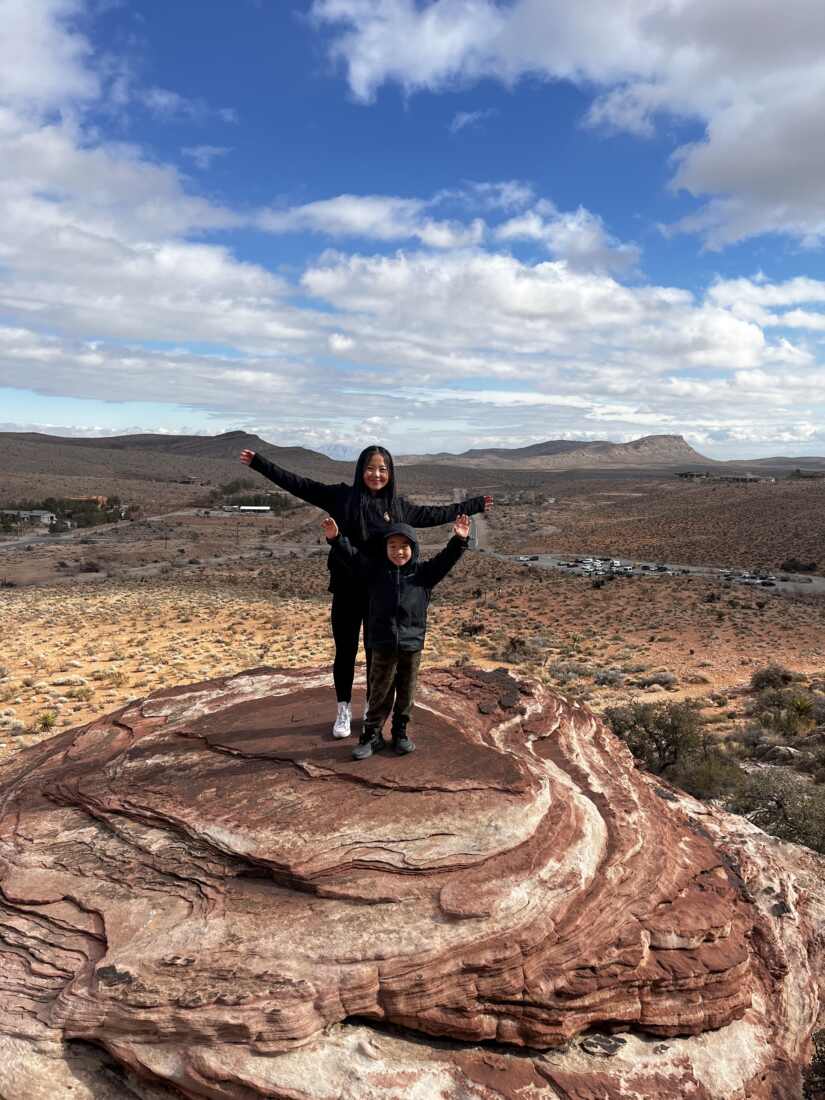
When she's not studying human physiology or working at ACR, Joy enjoys baking, reading, hiking, and going on walks.
She especially enjoys baking with residents, finding another way to share something she loves while spending time together.
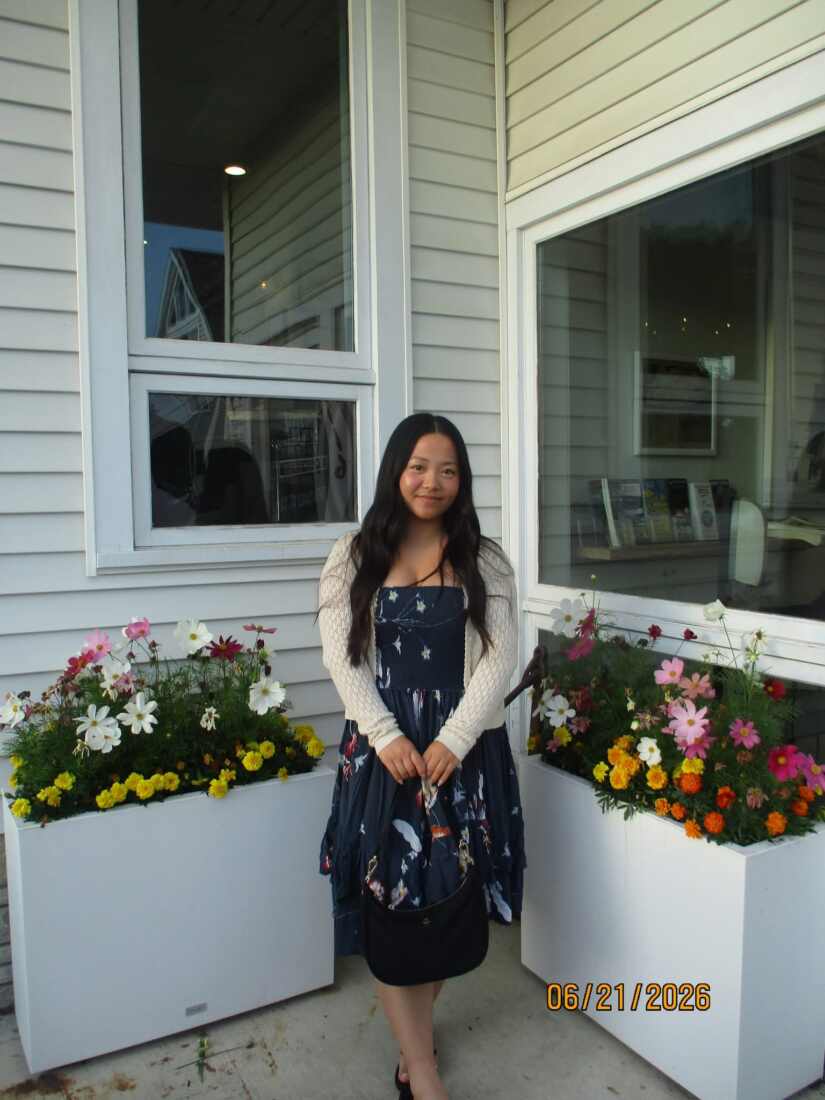
This summer, she spent a week in Door County, Wisconsin, enjoying the area's natural beauty. Her favorite book is Normal People by Sally Rooney, and she shares her life with a yellow Labrador named Simba.
Those personal details are a small glimpse into the person behind the DCP role: a college student with big career goals, a love of the outdoors, and an appreciation for finding meaningful ways to connect with others.
Preparing for the Physician She Wants to Become
Joy is still exploring which specialty she'll ultimately pursue. Obstetrics and gynecology, pediatrics, and geriatrics are all areas she's interested in, and her experiences at ACR are helping her think about what kind of provider she hopes to become.
Across those specialties, one thing remains important: understanding the individual behind the medical needs.
At ACR, Joy is practicing that approach every day. She's learning to build relationships over time, adapt her communication, recognize individual preferences, and approach everyday care with intention.
She's also discovering that meaningful patient care experience doesn't have to follow a single path.
For pre-med students considering their next step, working as a Direct Care Professional can be an opportunity to gain hands-on experience while learning lessons that go beyond the classroom. It's a chance to support people with disabilities, build confidence in a healthcare setting, and develop a deeper appreciation for what personalized care looks like.
And for Joy, it's a job that offers something equally important: the opportunity to make a difference now while preparing for the difference she hopes to make as a physician in the future.
Interested in gaining hands-on patient care experience while you're in college?
At ACR Homes, our Direct Care Professionals support adults with disabilities in small, residential group homes throughout the Twin Cities. No prior direct care experience is required, and paid training helps you learn the skills you need to get started.
With flexible scheduling, supportive teams, and opportunities to build meaningful relationships with residents, ACR can be a great place to explore your interest in healthcare while pursuing your degree.
Bring your heart. We'll train the rest.
Learn more about becoming a Direct Care Professional at ACR Homes.