
Trust, Advocacy, and Person-Centered Care: How Libby Marsnik Found Her Path to Physical Therapy

With two cats at home, a love of golf that started in childhood, and a semester spent studying abroad in Sicily, Libby Marsnik has made the most of her time at the University of Minnesota. But one of the most influential parts of her college experience happened at ACR Homes, where she discovered a new perspective on healthcare and the kind of physical therapist she hopes to become.
As a freshman studying kinesiology, Libby was interested in pursuing physical therapy and began exploring opportunities that aligned with her goals. When she learned about ACR through classroom speakers and flyers on campus, she was drawn to a job that offered hands-on experience specifically related to her field of interest.
“It’s not just a generic healthcare job. It’s specifically catered to me,” she reflected.
Libby started at ACR as a Direct Care Professional (DCP) in August 2023 and also joined the On-Campus Recruiting (OCR) program, helping spread the word about ACR’s jobs and internships at the University of Minnesota. She graduated with her kinesiology degree in spring 2026 and has since advanced into a leadership role called the Residential Coordinator (RC) position while participating in ACR’s Impact Year Internship program. She was also recently accepted into the University of Minnesota’s physical therapy program.
Along the way, Libby discovered that her experience at ACR would offer much more than she initially expected. From observing physical therapists at resident appointments, to helping residents with physical therapy exercises and range of motion, to advocating for their needs, and helping them through daily life, she learned that effective healthcare starts with understanding the whole person.
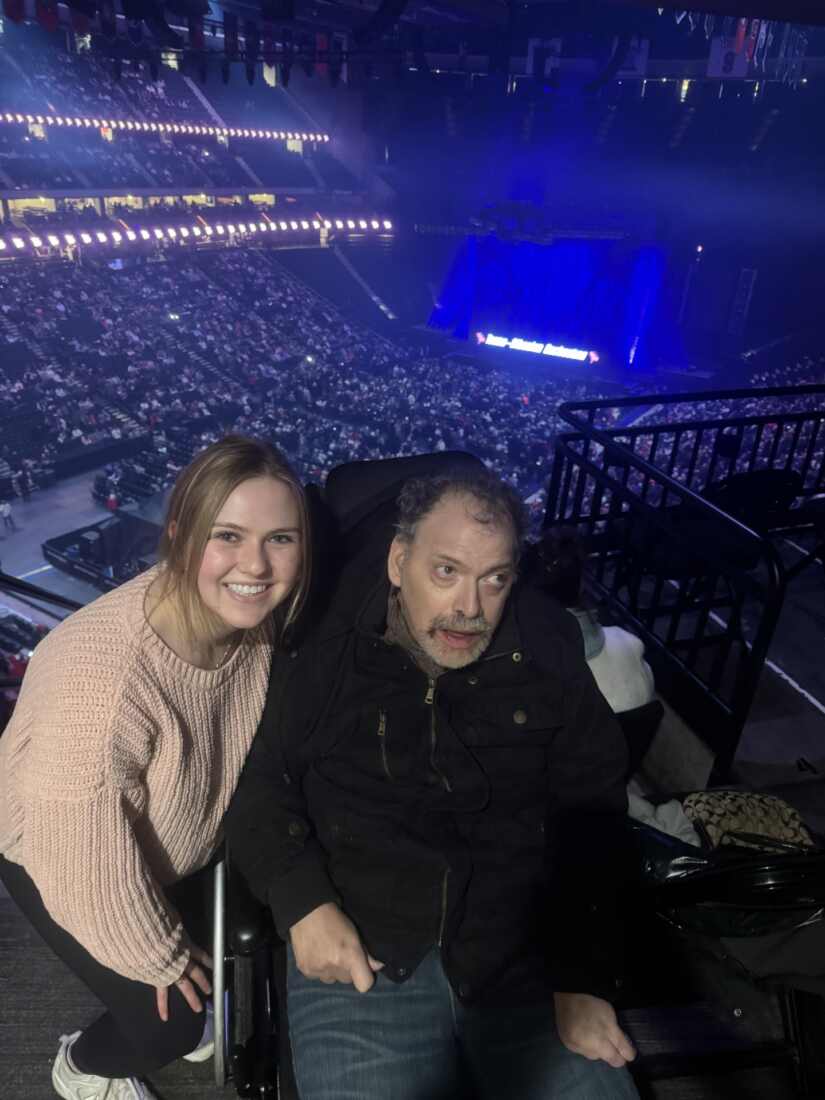
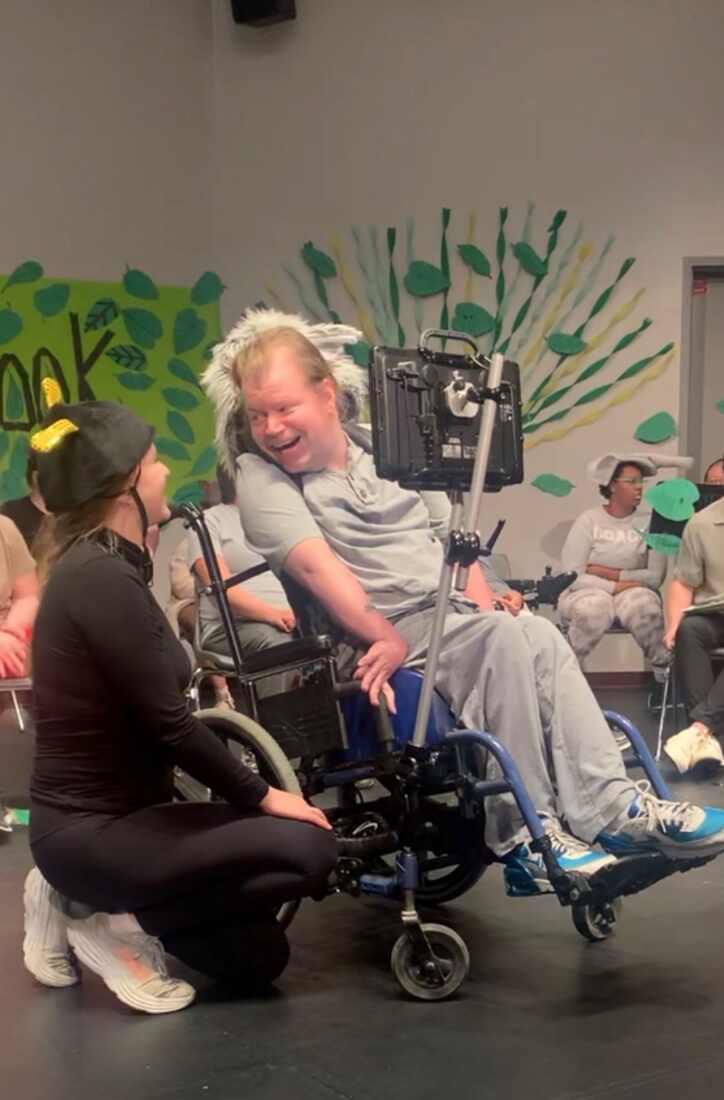
Building Trust: The Foundation of Great Care
As Libby’s experience in physical therapy grew, she realized that one of the most valuable parts of the job was the connection she developed with residents.
“Working one-on-one with someone in a medical setting taught me how important it is to understand the individual behind the healthcare needs,” she explained.
She learned how to meet people where they are, help them through their medical needs, and make the experience fun, engaging, and social — regardless of how they communicate.
One resident Libby works with is nonverbal and communicates through body language. For example, they will look in specific directions to indicate “yes” or “no” when answering questions. Building trust with this resident took more time than with others, and presented challenges for her and new staff members learning how to provide care in the way he needed.
Recognizing an opportunity to help, Libby developed an internship project focused on building trust between this resident and staff. Her hypothesis was that she could improve his quality of care by building trust between him and the caregivers at his home.
As part of the project, she created and implemented a “life book” featuring pictures and information about the resident’s history, experiences, and personality. At the direction of the resident, the resource gave new staff members a better understanding of him before they met and began providing care.
With that background, staff could approach him with a deeper foundation and understanding and begin building relationships more quickly. Over time, the stronger foundation of trust also created opportunities for him to communicate about deeper concerns.
Libby found it rewarding to see how a practical resource could make such a difference. She also noticed that trust influenced communication in other situations. One resident, for example, might share something upsetting about his day program with certain staff members but not others. The difference often came down to the relationship he had developed with the person listening.
These experiences helped Libby recognize that trust isn't something every person gives at the same pace.
“Some patients might trust you right away, and some might need more time. Sometimes they need evidence that you’re going to help them.”
It's a lesson she plans to carry into physical therapy. Patients may need time to feel comfortable sharing their concerns or participating in treatment, and understanding that will help Libby approach each person with patience, and recognize that building a relationship is an important part of providing effective physical therapy.
When Libby reflects on her time at ACR, one of the things she's most grateful for is discovering the power of advocacy.
She's seen how much can change when someone takes the time to understand a resident, speak up for their needs, and follow through. She's witnessed progress in residents' physical abilities, confidence, relationships, and willingness to participate in activities they once resisted, and she's also seen the difference that progress makes to families, whose appreciation reminds her that the impact of good care extends well beyond the individual receiving it.
As she prepares for the next step in her physical therapy journey, Libby is taking those lessons with her. She wants to be the kind of healthcare professional who sees the whole person, understands the importance of trust, and recognizes that progress sometimes begins with simply helping someone feel safe and supported.
Her time at ACR has helped her discover not only the kind of physical therapy she wants to pursue, but also the kind of provider she hopes to become.