
Lessons You Can’t Learn In Nursing School
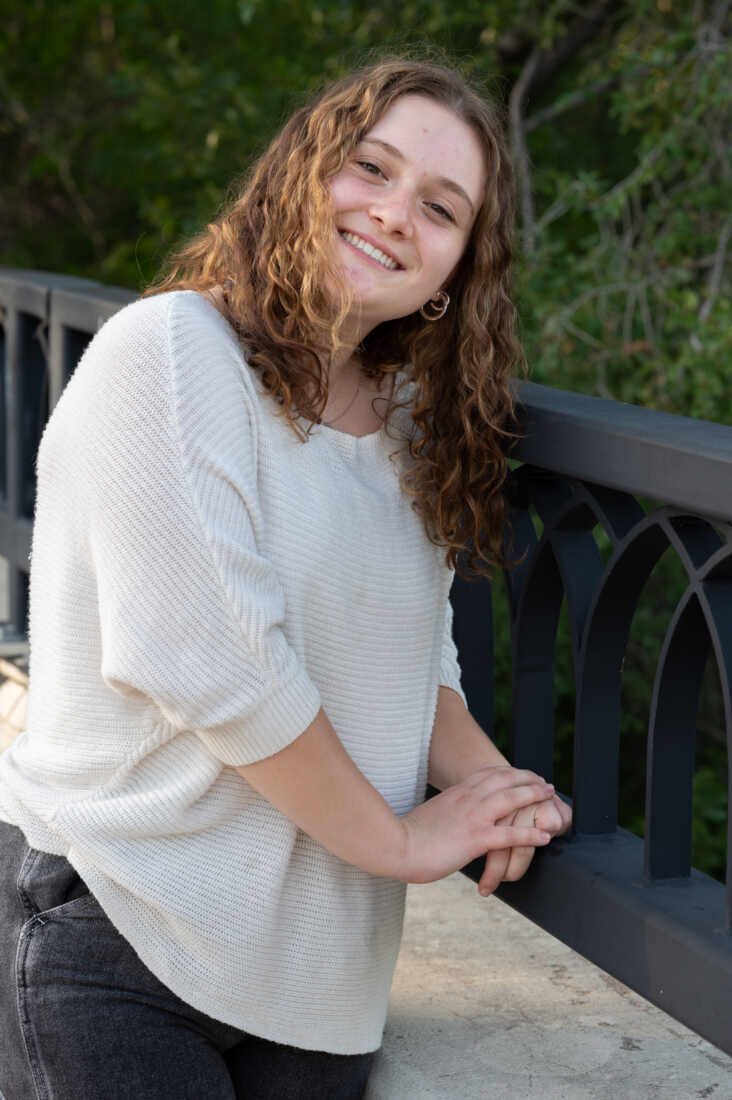
written by: Brianna Palkki, Sr. Recruiting Supervisor & Marketing Manager at ACR Homes.
When Direct Care Professional Aviva Fisher started at ACR Homes, she was looking for a new patient care experience to strengthen her nursing resume. Having already gained healthcare experience working on an ambulance and in a pediatric surgery unit, she wanted to continue developing her skills and explore new opportunities to grow in the field. That's how she found ACR.
Aviva is a Sophomore enrolled in the School of Nursing at the Unviersity of Minnesota. ACR Homes has connected with students on the University of Minnesota campus for more than 10 years, and as it happened, the day Aviva discovered ACR was also the day of our semiannual on-campus job fair and community festival.
"The coffee cart you hired with free lattes drew me in, but then I started talking to a representative about the jobs and internships and realized how much it connected to my degree in nursing," she shared.
One of Aviva's biggest goals as a healthcare professional and future nurse is to build personal connections with patients to help improve their care and outcomes. In her previous healthcare experiences, she had primarily provided care in short-term settings, where she had to establish trust and build rapport quickly.
For example, during a 5 to 10-minute ambulance ride, Aviva once cared for a pediatric patient who didn't speak the same language as her. Thinking creatively, she blew up a medical glove and drew a friendly face on it, using it to entertain and comfort the child while the rest of the team provided care. Even in a brief interaction, she recognized how much a personal connection could make a difference.
At ACR, Aviva found something different. The opportunity to build relationships over time and see the impact of those connections firsthand. Rather than providing care for a few minutes and moving on, she gets to work alongside residents in their daily lives, encouraging them as they grow new skills, work toward personal goals, and gain independence.
Celebrating the Small Steps Toward Independence
Helping residents reach their long-term goals often means celebrating the small steps being achieved in everyday moments. One resident Aviva worked with had a goal of learning to brush their teeth more independently and effectively. Through consistent support and encouragement from staff, the resident gradually improved their technique and developed a routine they could carry into everyday life. Eventually, brushing their teeth no longer needed to be a designated goal because it had become a regular part of their daily routine. The resident could move on to working toward something new.
For Aviva, experiences like these are especially rewarding. She enjoys seeing residents make progress over time and knowing that the encouragement and support she provides during her shifts can contribute to their ongoing growth.
Learning to Communicate Beyond Words
During her time at ACR, Aviva has also had the opportunity to work in more than one home, giving her experience supporting residents with different communication styles and care needs. She initially worked at a home, supporting residents who were nonverbal. Although it was a new experience for her, she quickly learned the importance of interpreting body language, facial expressions, and other nonverbal cues to understand what someone might need.
When she later transitioned to an another home, she experienced a different dynamic, working with residents who were more verbally communicative but also needed additional emotional and behavioral support. As self proclaimed extrovert, she felt an immediate click with the residents at this home. She loves being able to have more back-and-forth conversations, learn about their interests, and build relationships through shared experiences.
Her experience transitioning from one home to another also reinforced an important lesson. You can't provide the same type of care to different people and expect the same outcome. Every resident has unique needs, interests, and motivations, and getting to know each person is key to helping them succeed. For one resident, she realized turning movement goals into a game is an effective way to encourage participation. By making the activity fun, Aviva can help the resident work toward their goals without making it feel like a task. Another resident responds well to incentives, such as earning a fun outing after reaching a goal or completing certain tasks. Finding what motivates each individual helps keep interactions positive while encouraging residents to grow.
For Aviva, it all comes back to connection. Taking the time to understand the person you're caring for allows you to approach them in a way that works for them, rather than expecting them to respond to a one-size-fits-all approach.
She also recognizes how valuable her earlier experience at her first home with nonverbal residents was. As a future nurse, specifically with her interest in pediatrics, she knows she'll care for patients who may not be able to communicate verbally or who may have difficulty expressing what they're feeling. Learning to recognize and respond to those nonverbal cues is a skill she knows she'll carry with her throughout her nursing career.
Bringing Her ACR Experience Into Nursing School
While Aviva has gained invaluable communication and relationship-building skills at ACR, she's also found that her direct care experience is giving her a head start in the technical side of nursing school.
The University of Minnesota's nursing school has a simulation lab that she's currently enrolled in. In this course, students practice healthcare skills using mannequins. Thanks to her training and daily experience at ACR Homes, many of the skills they're practicing are already familiar to her. Taking temperatures, monitoring oxygen levels, using gait belts, and triple-checking medications are all things she already does during her shifts. What might be new for other students in the simulation lab has already become second nature to Aviva because of the hands-on experience she's gained.
At the end of the day, though, Aviva believes the most important skill she'll carry into her nursing career isn't a technical one. As she put it, "patient communication is the most important part of being a nurse." Her time at ACR has not only helped prepare her for nursing school but has also solidified what she values most about a career in healthcare, the opportunity to build meaningful relationships and make a lasting difference in someone's life.
When asked if she would recommend ACR to other nursing and pre-health students, her answer was yes. For Aviva, the connections she builds with residents, and the opportunity to see the impact of her work make direct care a meaningful part of her journey toward becoming a nurse.